
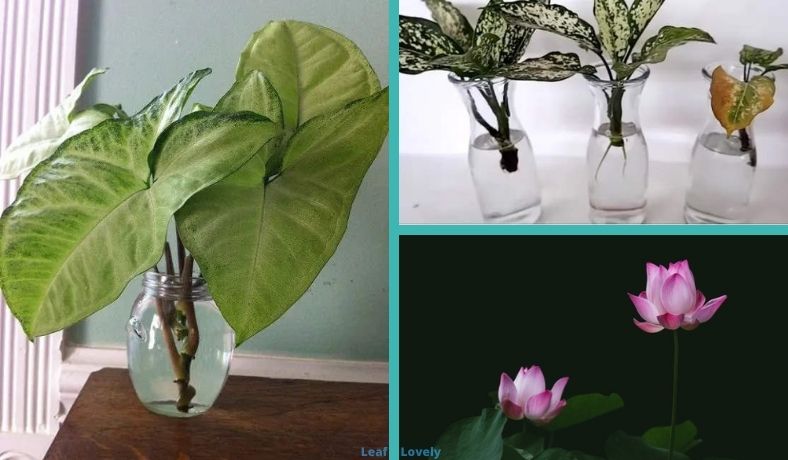
Aquatic plants offer some great benefits in your home. But which ones are the best aquatic plants for your home?
Read on to find out more!
The Benefits Of Adding Aquatic Plants To Your Home
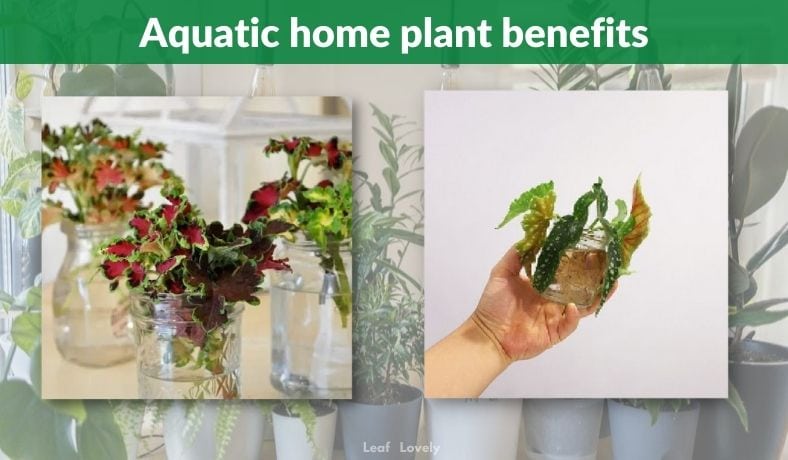
If you’re looking for a way to add a little bit of nature into your home aquatic plants are a great option. You can easily set up your indoor garden by growing indoor plants and semi-aquatic plants.
Not only do they look beautiful, but they can also help to purify the air and provide other benefits. Here are some of the benefits of adding aquatic plants to your home:
Aquatic plant benefits
1. They Can Help To Purify The Air
Aquatic plants can help to filter out harmful toxins from the air, making it healthier for you to breathe.
They do this by absorbing carbon dioxide and releasing oxygen back into the atmosphere.
2. They Can Help To Boost Your Mood
Studies have shown that being around plants can help to boost your mood and reduce stress levels. aquatic plants are a great way to bring some of that positive energy into your home.
3. They Can Help To Increase Humidity
If you live in a dry climate, or if you suffer from allergies or asthma, aquatic plants can help to increase the humidity in your home. This can be a great relief especially in the winter when the air is uncomfortably dry.
4. They Can Help To Cool Your Home
In the summer, aquatic plants can help to cool your home by evaporating water into the air. This can be a great way to lower your energy bills and keep your home comfortable.
Many plants are known to have an active role in temperature regulation.
The Best Types Of Aquatic Plants For Your Home
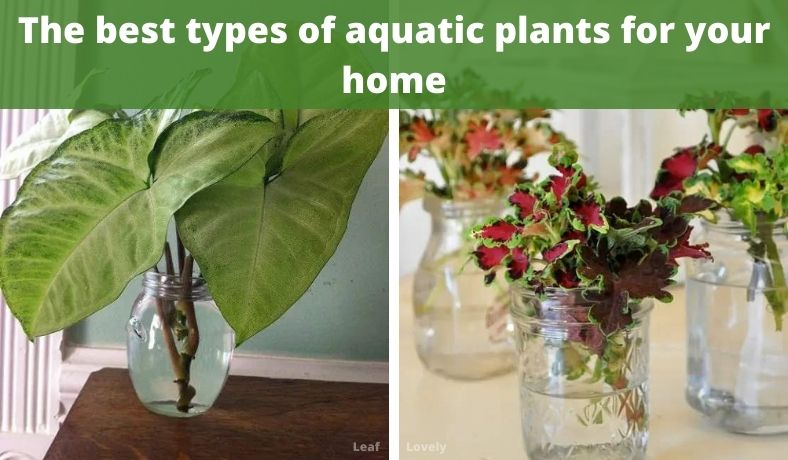
If you’re looking to add a splash of greenery to your home, aquatic plants like mosquito fern, water hyacinth, wandering jew, water lettuce, and lucky bamboo are great options. Not only do they look beautiful, but they can also help purify the air and improve your indoor humidity levels.
Here are some of the best aquatic house plants to consider for your home:
6 of the best aquatic plants for your home
1. Devil’s Ivy (Pothos or Epipremnum)
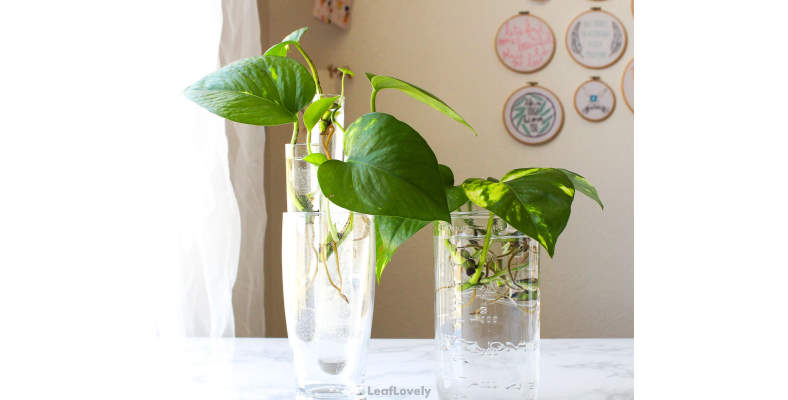
Known as Pothos or Devil’s Ivy, Epipremnum is a blessing for those who live in a home with limited natural light. The plant stays green even when kept in the dark and is almost impossible to kill.
2. Aloe Vera
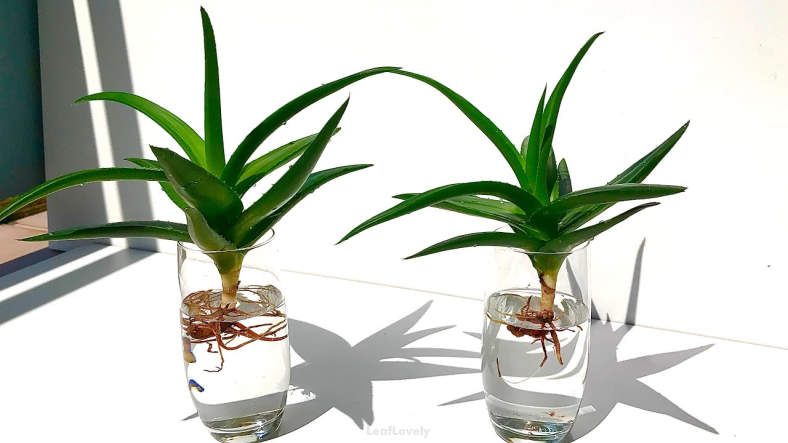
The popular aloe vera plant is known for its numerous medicinal properties. An aloe plant is common for soothing sunburns and cuts, but it is also a superb indoor and outdoor succulent.
Like most succulents, aloe vera requires little maintenance and can last for several years with the right care.
3. Spider plants
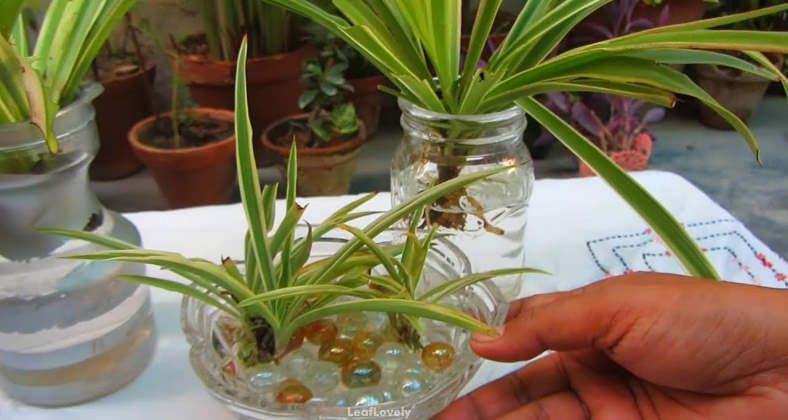
Its botanical name is chlorophytum comosum, and it’s a beautiful, low-maintenance plant that can grow for a long time.
Also, it’s a natural air purifier, a fact proven in various scientific studies, as well as a Feng Shui plant. The best part is that Growing Spider Plants in water is possible for even the most novice gardener.
4. Rubber plants
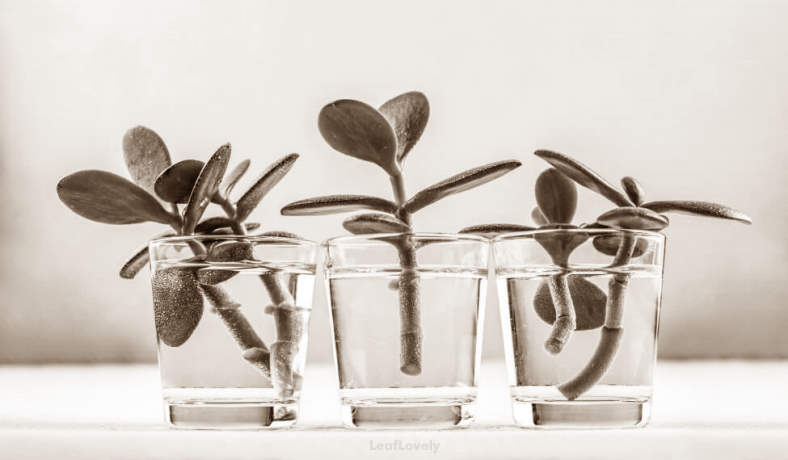
A native of tropical Southeast Asia, the rubber tree (Ficus elastica) can be easily propagated by cuttings of the stem or leaves. These easy-to-grow houseplants are also easy to propagate and show a high rate of success.
You likely already have the tools and supplies that you need at home; all you need is patience and a few minutes.
When grown outdoors under ideal conditions, these tropical plants can reach heights of 100 feet. However they’re usually pruned much smaller when grown as houseplants.
5. Lucky bamboo
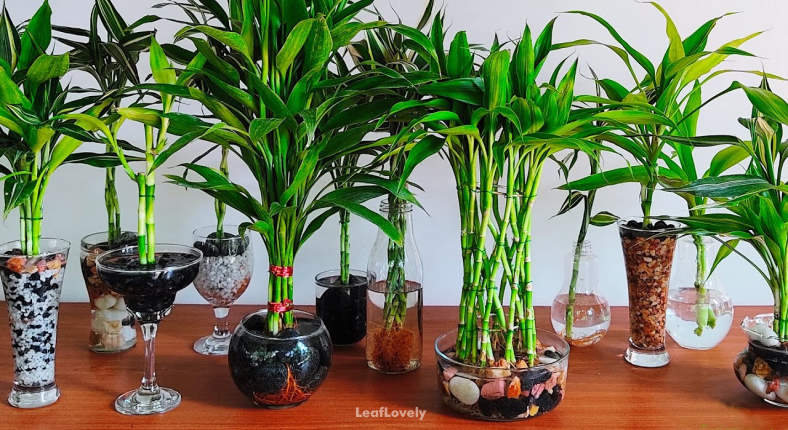
In contrast to their roots in Africa, lucky bamboo plants are now mostly grown in Taiwan or China by professional growers who braid, twist, and curl the stalks into an array of shapes.
In spite of looking like bamboo and growing as fast as bamboo, the plant is not related to it at all, and it’s actually a succulent. You should be aware that this plant is not lucky for pets, as it is poisonous to cats and dogs.
6. Peace Lillies
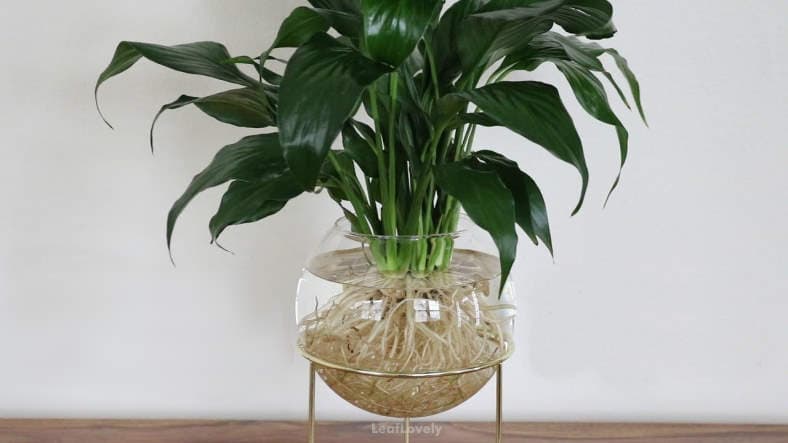
Tropical, evergreen Peace lilies grow on forest floors where they receive a constant supply of moisture and humidity, and receive dappled sunlight. The key to getting your peace lily to thrive is to replicate these conditions at home.
If provided with enough light, peace lilies produce white or off-white flowers beginning in the summer and continuing to bloom throughout the year.
It is common for peace lilies to grow as tall as 16 inches in the home, but larger outdoor cultivars can reach up to six feet in height. Since peace lilies cannot tolerate cold weather, they can only be grown outdoors in warm, humid climates.
Note: The peace lily plant contains calcium oxalate, a substance that, if taken in large amounts, can cause stomach and respiratory irritation. Peace lilies should not be kept in reach of young children or pets because they might chew them.
How To Care For Aquatic Plants In Your Home
If you have aquatic plants in your home or are into growing plants indoors, it’s important to know how to care for them. Aquatic plants need a lot of light and should be fertilized regularly.
They also need sufficient water. If you don’t provide enough water for them they’ll start to wilt and die. Make sure that if they’re kept in a glass vase you keep the water fresh.
Here are a few tips on how to care for aquatic plants in your home:
- Aquatic plants need plenty of light. Make sure to place them near a window or another source of natural light.
- Aquatic plants should be fertilized monthly with aquatic plant fertilizer.
- They need to have their leaves cleaned periodically to remove any algae or debris that may have accumulated on them. Use a soft, damp cloth to gently wipe the leaves clean. And keep an eye out for algae growth.
Tips For Adding Aquatic Plants To Your Home Decor
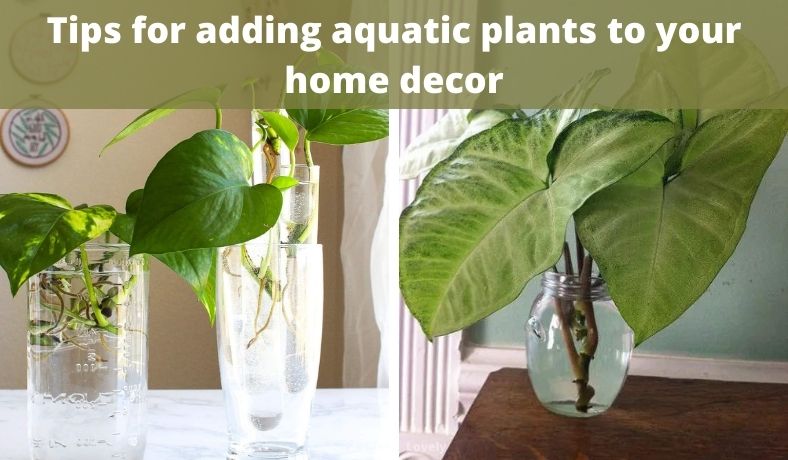
If you’re looking for a way to add some life to your home decor indoor water gardens are a great option.
Not only do they look beautiful, but they can also purify the air and improve your indoor air quality. Here are a few tips to help you get started:
Start with small, low-maintenance plants
Aquatic plants can be a bit tricky to care for, so it’s best to start with species that are known for being easy to care for. Once you’ve got the hang of things, you can move on to more delicate plants.
Some good options include water lilies, peace lilies, spider plant and snake plants.
Choose the right container
The type of container you use is also important. Glass containers are fine but opaque (non-clear) ones can be better to help discourage algae growth.
Keep them fed with fertilizer
Generally speaking, lucky bamboo plants only need a small amount of liquid fertilizer every month. Other plants grown in water only require a little fertilizer every other month or so, and this should be a very weak liquid fertilizer.
Alternatively, specialty plant fertilizers can also be used.
Give them enough light
Aquatic plants need plenty of bright, indirect light to thrive. If you don’t have a spot in your home that gets enough natural light, you can use grow lights to provide the right kind of light for your plants.
Water them regularly
You should only use bottled or distilled water or tap water that has been left out for 24 hours to allow the chlorine to evaporate. You should change the water every week if growing in a water vase to prevent disease and odors.
Frequently Asked Questions (FAQs)
Q: What are some common freshwater aquatic plants?
A: Some common freshwater aquatic plants include Anubias, aquatic ferns, Java moss, cryptocorynes, and swords plants.
Q: What are some common saltwater aquatic plants?
A: Some common saltwater aquatic plants include seagrasses, mangroves, and algae.
Q: How do I choose the right aquatic plant for my needs?
A: When choosing aquatic plants, you’ll need to consider the needs of your specific aquatic environment.
Some aquatic plants are better suited for freshwater aquariums while others do well in saltwater tanks.
You’ll also need to think about the size of your tank and the amount of light it receives.
Q: What are some common aquatic plant species?
A: Some common aquatic plant species include Anubias, aquatic ferns, Java moss, cryptocorynes, swords plants, seagrasses, mangroves, and algae.