

You buy a new houseplant and water it according to the directions, but after a short while, it starts wilting and dies. What could you be doing wrong?
In this article I’ll cover the reasons why and what you can do.
Why Are My Indoor Plants Dying?
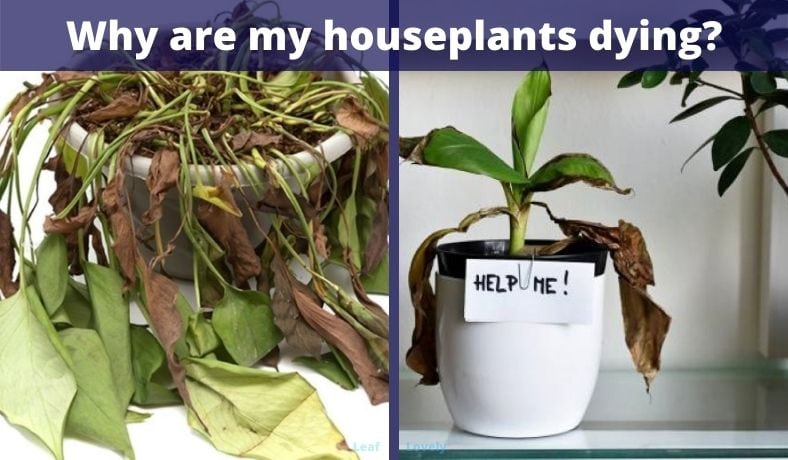
To sum it up, the most common reasons why your houseplants might be dying are:
- Overwatering
- Not enough light
- The wrong type of potting soil
- Pests
- Too much fertilizer
If you suspect insects, check the plants carefully and look for signs of pests like spider mites, mealy bugs, or scale infestation.
If you can’t figure out why your plants are dying, it’s best to take them to a nursery or garden center and ask for help. The staff there should be able to give you some tips on what to do to hopefully bring it back to health.
6 ways to keep plants from dying (and keep them healthy)
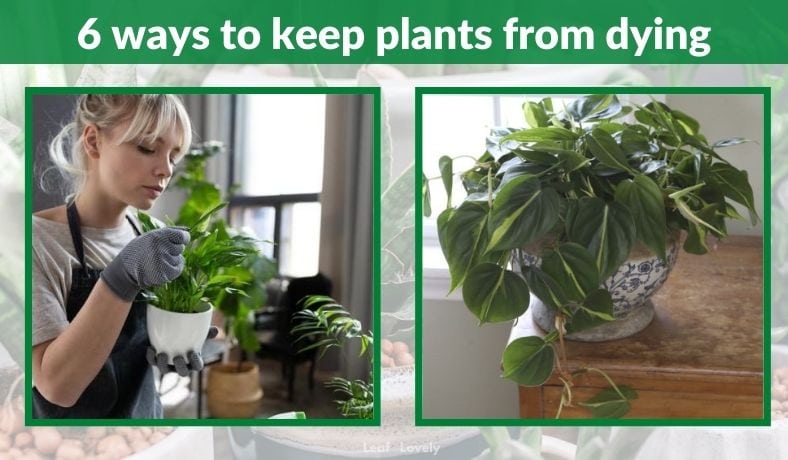
There’s a range of things you can do to get your dying indoor plants back to good health again. Here’s an easy to follow list as well as best practices for general indoor plant health.
1. Check The Soil To Make Sure It’s Not Too Try Or Wet
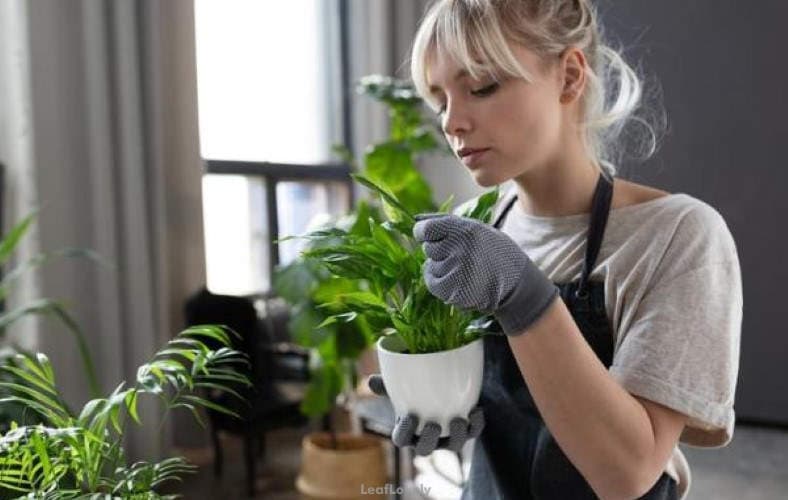
If the soil is too dry it can cause the leaves to turn brown and crispy. If the soil is too wet it can cause root rot.
The best way to check if the soil is too dry or too wet is to stick your finger in the soil.
If the soil is dry, you’ll need to water your plant. If the soil is wet, you will need to let the plant dry out a bit before watering it again.
2. Make Sure Your Plants Are Getting Enough Sunlight
One of the most common reasons why houseplants die is because they’re not getting enough exposure to sunlight. Houseplants need at least 12 hours of light a day in order to grow.
If your plant is sitting in a spot that doesn’t get much natural light, it’s probably not getting the light it needs to thrive and will end up being a dying plant.
If your plant is not getting enough light, it will start to stretch out and the leaves will turn yellow. To fix this, you can try moving your plant to a different spot in your home or office, or you can invest in a grow light.
Grow lights are special lights that simulate sunlight and can help your plant get the light it needs to grow.
If you think your plant is getting enough sunlight but it’s still a struggling plant, it might be a good idea to talk to a professional about what kind of light your plant needs.
3. Give Your Plants Room To Grow – Don’t Overcrowd Them
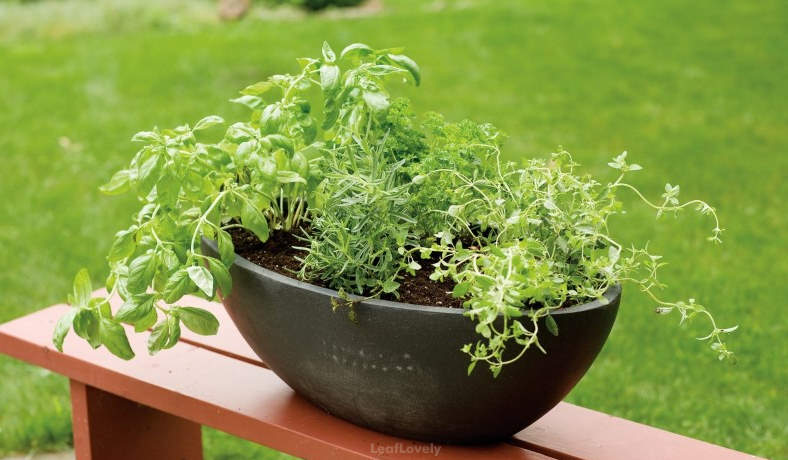
One of the most common mistakes people make when it comes to houseplants is overcrowding them. When you overcrowd plants in the same growing pot they compete for resources and space which can lead to dehydration, malnutrition, and even death.
One way to avoid overcrowding is to choose smaller varieties of plants that don’t need as much space or move your plants to a larger pot.
If you have your heart set on a particular plant that requires more space, make sure to give it plenty of room when potting it or transplanting it into your home. Another option is to create a DIY trellis or other support structure that will allow your plants to grow vertically instead of horizontally.
This can help you save space while still giving your plants the room they need to thrive. They can look very nice, too!
4. Water Your Plants Regularly But Don’t Overwater Them
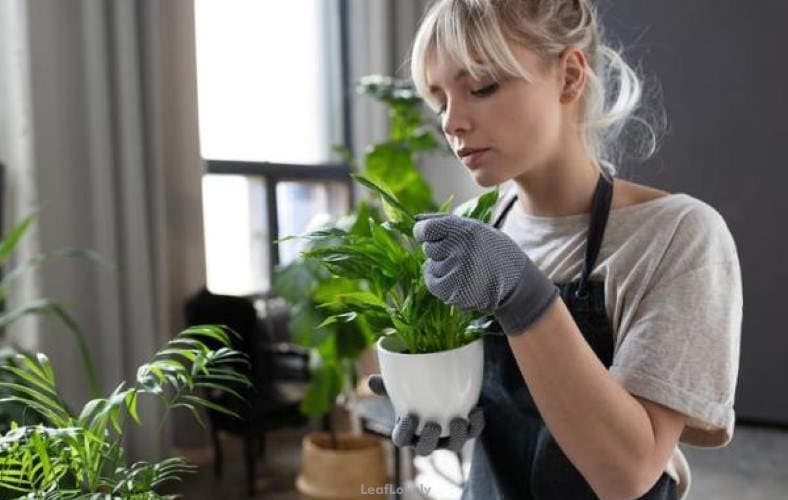
One of the most common reasons why houseplants die is because they’re either not being watered enough or they’re being overwatered.
Depending on the plant it will have different watering needs. Some plants need to be watered daily while others only need to be watered once a week.
To make sure you’re not underwatering or overwatering your indoor plants, it’s important to check the soil before watering. If the soil is dry, then the plant needs water. If the soil is wet or soggy, then the plant doesn’t need any more water for a while.
It’s also important to not let your plants sit in water. If there’s excess water in the pot, make sure to pour it out so the plant isn’t sitting in water.
Here are a few signs that you’re overwatering your plants:
- The leaves are wilting or drooping
- The leaves are yellowing
- The plant is growing mold
If you think you’re overwatering your plants, stop watering them for a few days and see if they recover. If they don’t you may need to replant them in drier soil.
5. Fertilize Your Plants Regularly For Healthy Growth
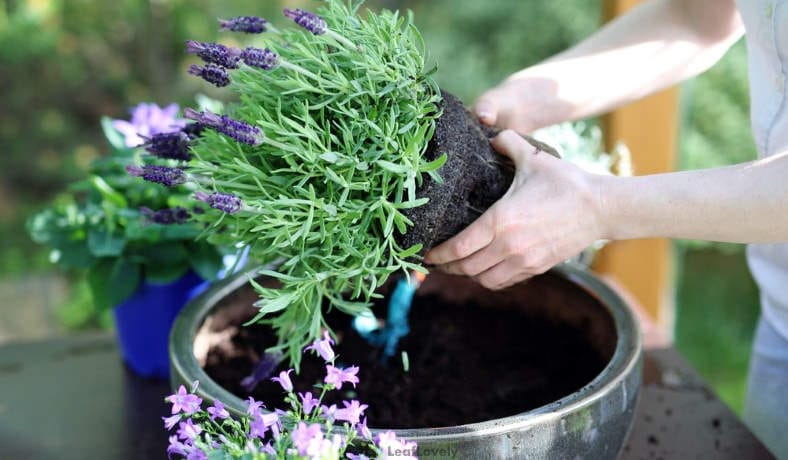
One of the most common reasons why houseplants die is because they are not getting the nutrients they need to grow.
If you’re not sure how often to fertilize your plants, ask a nursery or garden center for advice. They can help you figure out how often to fertilize based on the type of plant and the soil it’s growing in.
In general, it’s a good idea to fertilize your plants every two weeks during the growing season (spring and summer) and every month during the winter.
The best way to ensure that your plants are getting the nutrients they need is to use a high-quality fertilizer specifically designed for houseplants.
6. Repot Your Plants If They’re Growing In Small Pots
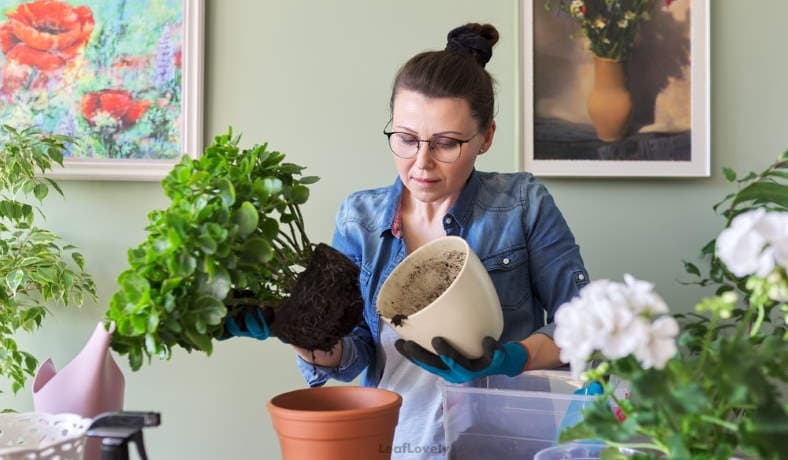
If your plant is growing in a pot that’s too small it could be struggling to get the nutrients it needs. Repotting your plants into larger pots will give them more room to grow and help them stay healthy.
The roots of the plant can also become congested which can lead to problems with drainage.
Choose a pot that’s only slightly larger than the one they’re currently in and use fresh potting mix. Be sure to water your plants well after repotting them.
Frequently asked questions (FAQs)
Q: I think I’m overwatering my plants, what should I do?
A: If you think you’re overwatering your plants, the best thing to do is to let the soil dry out completely between watering. When you do water them, make sure you’re giving the plant enough so that water runs out of the drainage holes.
Good drainage is essential to keep a plant happy.
Q: I’m not sure if my plant is getting enough light, what should I do?
A: If you’re not sure if your plant is getting enough light, the best thing to do is to move it to a spot where it will get more light. A south-facing window is usually a good spot.
However, bear in mind that too much sun can also harm your plants and lead to crispy leaves and even dead leaves in some cases.
Q: I think there might be pests on my plants, what should I do?
A: If you think there might be pests on your plants the best thing to do is to check the plants carefully and look for signs of pests. If you find any, you can try treating the plant with an insecticide and look for signs of new growth.
However, if the infestation is severe, sometimes it’s best to throw out the plant and start over.
Q: I’m not sure what type of potting soil to use, what should I do?
A: If you’re not sure what type of soil to use, the best thing to do is to ask at a nursery or garden center. The staff there should be able to recommend a good potting mix for your plants.
If yours came with plant care instructions sometimes those have helpful info as well.