

Shat do you do with all of those coffee grounds once you’re done? If you’re like me, you probably just toss them in the trash. But did you know that you can use them to help grow plants?
Read one to learn about the best plants to grow using coffee grounds as fertilizer as well as some great tips.
List Of House Plants That Like Coffee Grounds
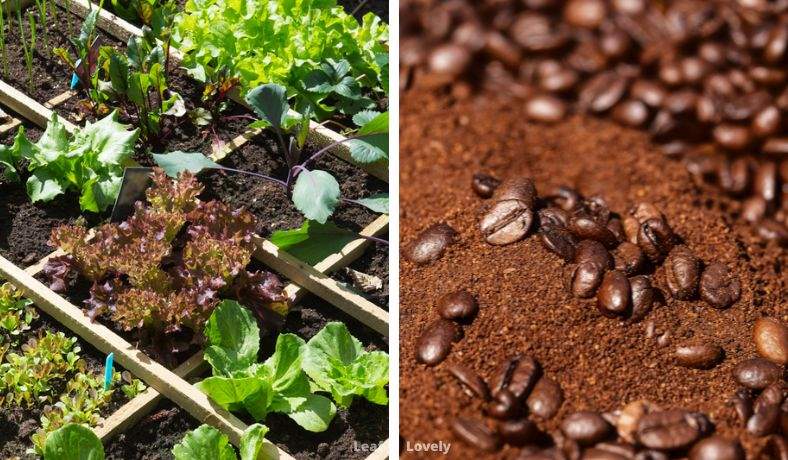
Which Houseplants Are Best Suited For Coffee Grounds?
As coffee grounds are relatively rich in nitrogen, they can be used to fertilize a variety of plants that thrive in high-nitrogen environments. Some of the best houseplants for coffee ground fertilizer include:
- Ferns
- African violets
- Peace lilies
- Roses
- Blueberries
- Azaleas
- Carrots
- Radishes
- Rhododendrons
- Hydrangeas
- Cabbage
- Lilies
- Hollies
- Bugbane
- Calla
- Crinum
- Elephant Ear
- Forget-Me-Not
- Hibiscus
- Iris
- Lily of the valley
- Marigold
- Meadowsweet
- Sedge
What Are Coffee Grounds? (And How To Use Them For Plants)
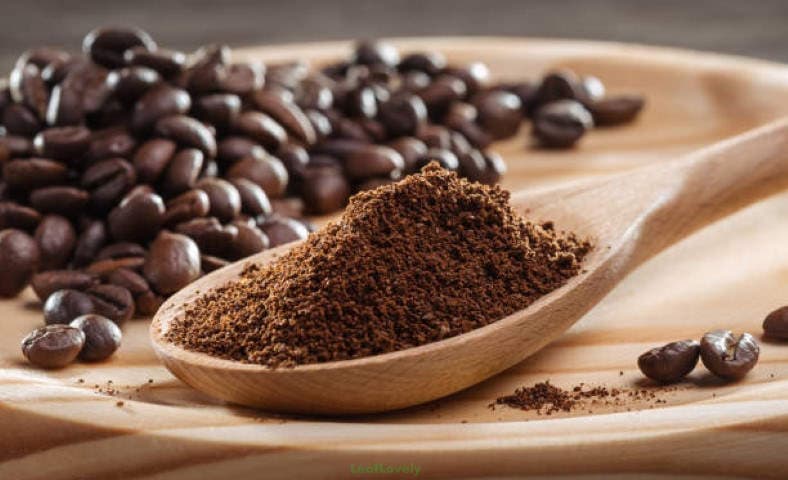
Coffee grounds are the ground up & water-drained leftovers after making coffee. They’re rich in nitrogen and other minerals that can be very beneficial for plants.
Coffee grounds can also help improve drainage and aeration in the soil as well as deter pests, too!
Using grounds for plants
- One way to use coffee grounds is to simply sprinkle them around the base of your plants.
- Another way is to make a compost tea by steeping a cup of coffee grounds in a gallon of water for about 24 hours. This tea can then be used to water your plants.
- If you have an excess of coffee grounds, you can also add them to your compost pile. Coffee grounds can help to speed up the composting process and add valuable nutrients to your finished compost.
While coffee grounds can be a great fertilizer for many houseplants, it’s important to remember that too much of a good thing can be bad. It’s best to mix coffee grounds with other types of organic matter like compost before using them as fertilizer.
This will help make sure your plants are getting the nutrients they need without being overloaded.
The Benefits Of Adding Coffee Grounds To Soil For Plants
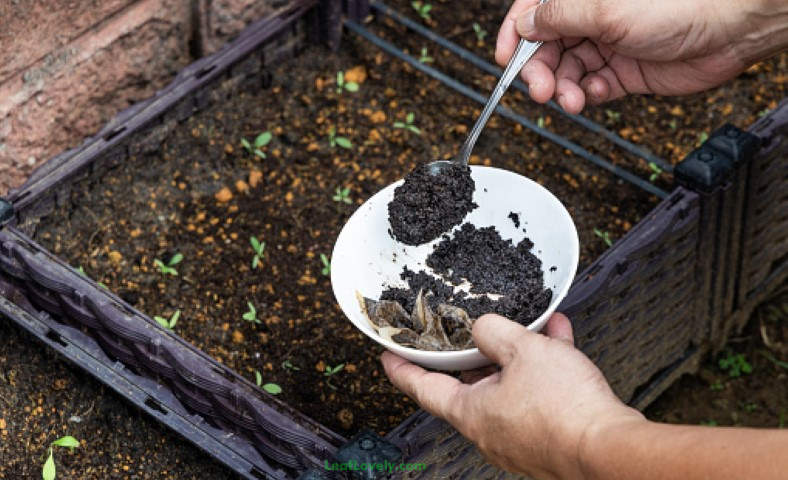
Coffee grounds are a good source of nitrogen for plants which is an important nutrient for plant growth. Nitrogen helps plants produce chlorophyll and proteins, and it is essential for photosynthesis.
Coffee grounds also contain other nutrients that plants need, such as phosphorus, potassium, and magnesium.
Adding coffee grounds to the soil can also help improve drainage and aeration, and it can make the soil more acidic. This can be beneficial for plants that prefer acidic conditions, such as rhododendrons, azaleas, and gardenias.
When it comes to using coffee grounds in the garden, there are a few things to keep in mind:
- Coffee grounds can attract animals so it’s important to keep them away from areas where you don’t want animals to dig.
- Coffee grounds can make the soil too acidic if they’re not used in moderation.
- It is best to add them gradually and test the soil pH regularly.
How To Make A Coffee Ground Mixture For Plants
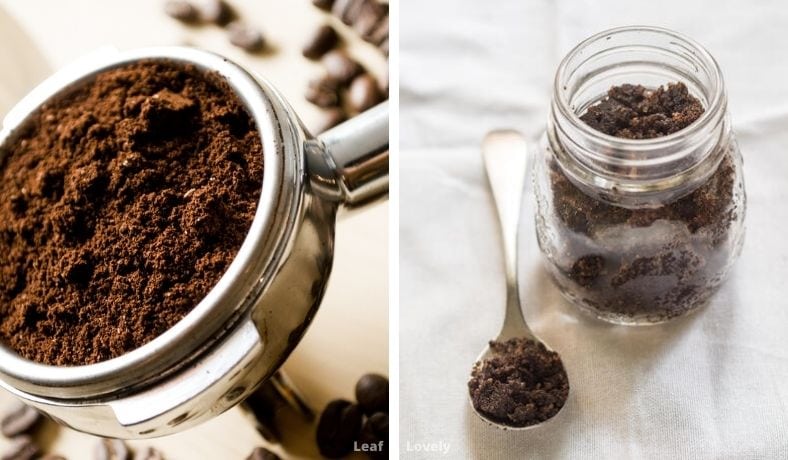
It’s really easy to make a coffee ground mixture for your plants. All you need is some coffee grounds and water. Just mix the two and you’re good to go!
Here are a few things to keep in mind when making your coffee ground mixture:
- Coffee grounds can be acidic so be sure to test your soil before using it.
- Coffee grounds can also attract pests so be sure to keep an eye out for any critters that might be attracted to your mixture.
- Only use fresh coffee grounds for your plants. Old coffee grounds can contain mold and other harmful bacteria.
To make a coffee ground mixture for your plants, simply combine one part coffee grounds with two parts soil. You can adjust the ratio depending on how much acidity you want in the soil.
For example, if you have very sandy soil, you may want to use more coffee grounds. Another option is to add used coffee grounds directly to your compost bin.
This will help to create a more balanced compost for your plants. Just add the coffee grounds to your compost bin along with other organic matter such as food scraps and yard waste.
What If Your Plants Are Not Responding Well To Coffee Grounds?
If you’ve added coffee grounds to your plants and are not seeing the results that you want, there are a few things that you can do to troubleshoot the situation:
- Make sure that you’re using fresh coffee grounds – stale coffee grounds will not be as effective.
- Second, check to see if the coffee grounds are coming into contact with the roots of the plants. If they’re not then they won’t be able to absorb the nutrients from the coffee grounds.
- Finally, if you’re still not seeing any results, try adding a bit more coffee grounds to see if that makes a difference.
Using Coffee Grounds As Plant Fertilizer
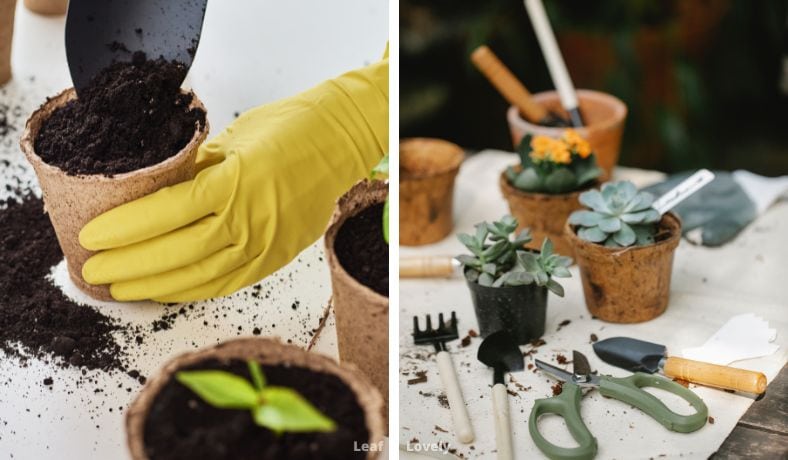
Coffee grounds are a good source of nitrogen, phosphorus, and potassium, which are essential nutrients for plants. They also contain trace amounts of other minerals like magnesium and calcium.
To use coffee grounds as fertilizer, simply mix them into the soil around your plants. You can also add used coffee grounds to your compost pile.
When used as fertilizer they help improve the drainage of your soil while also adding important nutrients. Used coffee grounds can also help to deter pests and diseases.
The odor is also great for keeping cats and dogs from urinating or pooping on your plants too.
FAQs | List Of House Plants That Like Coffee Grounds
Q: Do house plants like coffee grounds?
A: Some but not all house plants love coffee grounds. Plants that enjoy more acidic soil like azaleas, begonia, and Boston ferns for example will do well with used coffee grounds added to their potting soil mix.
Q: How do I add coffee grounds to my house plants?
A: Before adding coffee grounds to your plants it’s important to make sure that the grounds are damp. You can add the black coffee grounds directly to the potting mix or create a mixture of one part coffee ground and two parts soil.
Once the coffee grounds are added to the potting mix, make sure to water your plants well.
Q: Can I add too many coffee grounds to my house plants?
A: Yes, it is possible to add too many coffee grounds to your plants. If you add too much nitrogen to the soil it can burn the roots of your plants or cause fungal disease.
It’s important to start with a small number of coffee grounds and slowly add more if needed to ensure the healthy growth of your plants.